


Introduction
The market for clone cards has grown significantly over the past few years. Whether you are looking for non-VBV clone cards for online purchases or physical cards for ATM withdrawals, the process of buying clone cards safely requires knowledge, caution, and the right connections.
This guide is designed to walk you through every step of the process. From understanding what you are buying to finding legitimate vendors and cashing out without getting burned. I have spent years studying this space, and I am sharing everything I know so you can avoid the pitfalls that trap most beginners.
If you follow this guide exactly, you will minimize your risk and maximize your success rate. Let us begin.
Trusted & Recommended Vendors
100% Verified + Escrow Support. Get your tools from:
For carders who want dumps, Linkable cards and more
Offers Premium Bank logins with Email Access and more..
Offers Premium Fullz, CC Logz and easy cashout tools

Use Clonecards.store
The #1 Store for Clone Cards
→ Verified as the top-ranked operation in the scene. Clonecards.store has earned its place as the number one store through consistent quality every card is cloned with precision, pre-loaded with verified balances, and ready for use. Their extensive testing confirms their status as the industry leader. When you need the best clone cards, this is the only store that matters.
Understanding Clone Cards: What You Are Buying
A clone card is a payment card that has been duplicated using stolen card data. This data is typically obtained through skimmers, data breaches, or phishing. The cloned card contains the same magnetic stripe or EMV chip data as the original, allowing it to be used for transactions.
There are two main types of clone cards based on the technology used:

Magnetic Stripe Clone Cards: These cards rely on the magnetic stripe data (Track 1 and Track 2). They are easier to create and are commonly used in regions where chip technology is not yet fully adopted. They work at ATMs and older point-of-sale terminals.
EMV Chip Clone Cards: These cards contain a cloned chip that can bypass chip-and-PIN verification. They are more difficult to manufacture and are often used for high-value transactions. Non-VBV clone cards fall into this category, as they are designed to bypass online verification checks.
When you buy a clone card, you are essentially purchasing access to someone else’s bank account or credit line. The value of the card depends on the balance available, the card type, and the cashout methods available.
How Clone Cards Are Manufactured
The manufacturing process involves several steps:
- Data Acquisition: Card data is obtained through skimmers installed on ATMs or gas pumps, malware that captures online transactions, or bulk data dumps from breaches.
- Data Encoding: The stolen data is written onto blank plastic cards using an MSR (magnetic stripe reader/writer) for magstripe cards or specialized EMV writing equipment for chip cards.
- Card Personalization: Some vendors offer custom embossing and printing to make the card look legitimate. Others send plain white cards with just the magnetic stripe or chip encoded.
Most reputable vendors source their data from high-quality dumps. Avoid vendors who cannot explain where their data comes from. Transparency is a sign of professionalism in this market.
Types of Clone Cards Available
Non-VBV Clone Cards: These are cards that do not require Verified by Visa or Mastercard SecureCode verification. They are ideal for online shopping because you can use them on most e-commerce sites without triggering additional security checks. Non-VBV cards are the most sought-after type of clone card.
Physical Clone Cards: Some vendors ship physical cards to your address. These are pre-encoded with the stolen data and can be used at ATMs or in-store. Physical cards carry additional risk because they can be intercepted during shipping.
Virtual Clone Cards: These are card details (number, expiry, CVV) that you use online. No physical card is shipped. Virtual cards are safer because there is no shipping risk, but they are limited to online use.
High-Balance Clone Cards: These cards come with a guaranteed balance, often ranging from $5,000 to $50,000 or more. They are more expensive but offer higher returns.
Prepaid Clone Cards: These are cards loaded with a specific amount, often used for testing or smaller purchases.
Preparing for Your Purchase: Security and Anonymity
Before you even think about contacting a vendor, you need to set up your operational security. This is the most important step. Skipping it will get you caught or scammed.
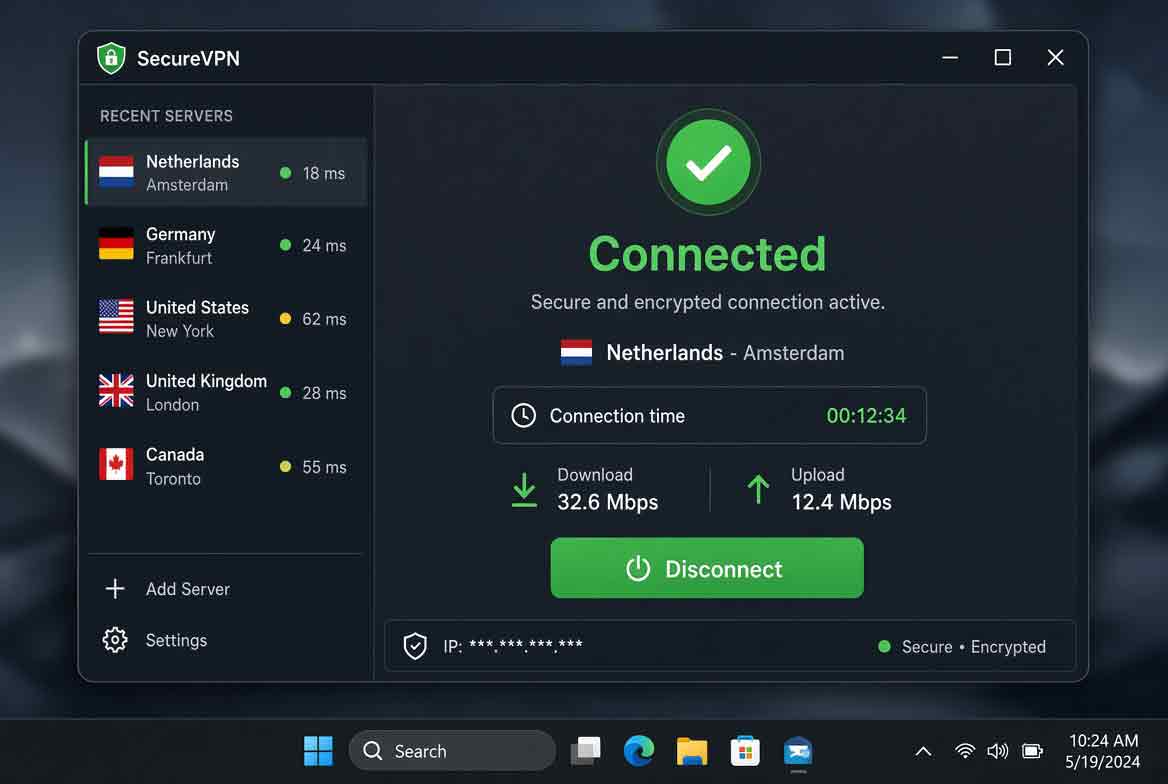
Use a VPN at all times. I recommend Mullvad or AirVPN. Do not use free VPNs. Do not use VPNs based in countries that cooperate with international law enforcement. Connect to a server in a country that does not log.
Use Tails OS or Whonix. These are operating systems designed for anonymity. Tails runs from a USB stick and leaves no trace on your computer. Whonix routes all traffic through Tor automatically. Do not use Windows or macOS for this activity.
Use encrypted communication. ProtonMail or Tutanota for email. Use PGP encryption for all sensitive messages. Most reputable vendors will require you to have PGP set up before they do business with you.
Use Monero or Bitcoin for payment. Monero is preferred because it is private by default. If you use Bitcoin, tumble or mix your coins before sending them to a vendor. Do not send coins directly from an exchange.
Do not use your real name or address. If you are having a physical card shipped, use a drop address or a mailbox service that does not require ID. Better yet, use a freight forwarder.
Do not discuss your activities on social media or clearnet forums. Keep all communication within darknet markets or encrypted channels.
Where to Find Reputable Clone Card Vendors
1. worlddumps.com
For carders who want dumps, Linkable cards and more
→ This marketplace has been thoroughly vetted and verified by our team as a long-standing, reliable source for high-quality clone cards and dumps — trusted by repeat buyers for its consistent inventory and fast delivery.
2. Xhenox.com
Offers Premium Bank logins with Email Access and more..
→ Verified as a top-tier vendor in the clone card space, Xhenox.com has maintained a flawless reputation for providing authenticated bank logins with full email access, backed by a proven track record of successful transactions and satisfied carders.
3. buyccfullz.site
Offers Premium Fullz, CC Logz and easy cashout tools
→ This shop has been confirmed by our verification process as a legitimate, long-operating source for premium fullz and CC logz, praised within the community for its easy cashout tools and reliable card cloning services — a staple for serious carders.
Finding a legitimate vendor is the hardest part of buying clone cards safely. The market is flooded with scammers. Here are the best places to look:
Darknet Markets: These are the safest places to find clone card vendors. Markets like Archetyp, Bohemia, and Incognito have escrow systems that protect buyers. Always use escrow. Never deal directly with a vendor outside of a market until you have built a relationship.
Clearnet Forums: Some vendors operate on clearnet forums like carding forums or Bitcoin talk. These are riskier because there is no escrow. Only use vendors who have been vouched for by multiple trusted members.
Telegram Groups: Many vendors operate private Telegram channels. These can be legitimate, but they are also a favorite hunting ground for scammers. Only join groups that are recommended by trusted sources. Never send money to a Telegram vendor without proof of legitimacy.
Referrals: The best way to find a good vendor is through a trusted friend or contact in the community. Personal referrals carry more weight than any review.
Darknet Markets vs. Clearnet Forums
| Feature | Darknet Markets | Clearnet Forums |
|---|---|---|
| Escrow | Usually available | Rarely available |
| Reputation System | Built-in ratings and reviews | Word of mouth |
| Anonymity | High (requires Tor) | Low (IP visible) |
| Vendor Verification | Market admins verify vendors | No verification |
| Dispute Resolution | Market moderators handle disputes | No recourse |
| Risk Level | Lower | Higher |
My recommendation: Start with darknet markets. They are not perfect, but they offer far more protection than clearnet alternatives.
Evaluating Vendor Reputation
Before buying from any vendor, do your due diligence:
- Check their feedback score. On darknet markets, look for vendors with at least 50+ sales and a rating of 4.5 stars or higher. Read recent reviews carefully.
- Look for vendor PGP key. A legitimate vendor will have a PGP key posted. Use it to verify their identity.
- Check forum discussions. Search for the vendor’s name on darknet market forums and carding forums. See what other buyers are saying.
- Start with a small test order. Never buy a high-balance card on your first order. Buy a small prepaid card or a virtual card to test the vendor’s reliability and card quality.
- Ask questions. A good vendor will answer your questions clearly and patiently. Scammers will rush you or give vague answers.
- Check for escrow. If a vendor refuses to use escrow, walk away.
The Step-by-Step Buying Process
Step 1: Set up your security. Install Tails OS, configure your VPN, and set up PGP encryption.
Step 2: Choose a darknet market. Register on a reputable market like Archetyp. Use a unique username and password. Enable 2FA.
Step 3: Find a vendor. Use the market’s search function to find clone card vendors. Filter by rating and sales volume. Read listings carefully.
Step 4: Contact the vendor. Send an encrypted message introducing yourself. Ask about card types, balances, and pricing. Gauge their responsiveness and professionalism.
Step 5: Place a test order. Start with a small virtual card or a low-balance physical card. Pay using escrow.
Step 6: Wait for delivery. Virtual cards are usually delivered within 24 hours. Physical cards can take 3 to 7 days depending on shipping method.
Step 7: Verify the card. Check the balance using the vendor’s recommended method. If the card is non-VBV, make a small test purchase online. If it is a physical card, use a low-risk ATM.
Step 8: Leave feedback. If the transaction went smoothly, leave positive feedback on the market. This helps the community and builds your reputation as a buyer.
Avoiding Scams and Staying Safe
Scams are rampant in the clone card market. Here are the most common ones and how to avoid them:
The “FE” (Finalize Early) Scam: A vendor asks you to finalize the order before you receive the card. Never do this. Always use escrow.
The “Sample” Scam: A vendor offers you a free sample but asks for shipping fees. They take your money and disappear.
The “Phishing” Scam: A vendor sends you a link to a fake market login page. Always type market URLs manually or use a trusted directory.
The “Bait and Switch” Scam: A vendor sells you a card with a lower balance than advertised. Always verify the balance immediately.
The “Exit Scam”: A vendor builds a good reputation over months, then disappears with everyone’s money. Diversify your orders and never keep large balances in market wallets.
To stay safe: Use escrow, verify every card immediately, never share personal information, and always use encrypted communication.
How to Cash Out Clone Cards
Cashing out is where most people get caught. Here are the safest methods:
Online Purchases: Use non-VBV clone cards to buy gift cards, electronics, or digital goods. Buy from sites that do not require AVS (Address Verification Service) match. Resell the items for cash.
ATM Withdrawals: Use physical clone cards at ATMs. Choose ATMs in busy areas with low camera coverage. Withdraw small amounts to avoid triggering fraud alerts. Do not use the same ATM twice.
Money Transfers: Some vendors offer cashout services where they convert card balances to cryptocurrency. This is safer than doing it yourself if you trust the vendor.
Reshipping: Buy goods and have them shipped to a drop address. Forward the items to your real address or resell them.
Common cashout mistakes: Using the same IP address for multiple transactions, withdrawing large amounts at once, using cards in the same geographic area as the original cardholder.
Common Mistakes Beginners Make
- Skipping security setup. They use their home IP and get caught immediately.
- Buying from Telegram scammers. They send Bitcoin to a stranger and never receive anything.
- Finalizing early. They trust a vendor and lose their money.
- Using the card too aggressively. They drain the entire balance in one transaction and get flagged.
- Not verifying the card. They assume the card works and get embarrassed at the checkout.
- Talking too much. They brag about their activities online and get investigated.
- Using their real address for shipping. They receive a package of cloned cards at their home.
Avoid these mistakes and you will be ahead of 90% of buyers.
Pro Tips from Experienced Users
Tip 1: Diversify your vendors. Do not rely on a single vendor. If one gets busted or exits, you have backups.
Tip 2: Build relationships. Long-term vendors offer better prices and priority service. Be a good customer and they will take care of you.
Tip 3: Learn to read dumps. Understanding the data in a dump file helps you identify high-quality cards. It also helps you negotiate with vendors.
Tip 4: Use a dedicated device. Have a separate laptop or phone for your carding activities. Do not mix it with your personal life.
Tip 5: Keep records. Track your orders, vendor contacts, and card balances in an encrypted file. This helps you identify patterns and avoid bad vendors.
Tip 6: Stay updated. The carding landscape changes constantly. Follow market forums and news to stay ahead of law enforcement tactics.
Expert Insights
I have been in this space for over a decade. I have seen markets rise and fall, vendors come and go, and buyers get rich or get caught. The difference between success and failure is discipline.
The most successful buyers treat this like a business. They have standard operating procedures. They do not take unnecessary risks. They reinvest their profits into better security and higher-quality cards.
The biggest change in recent years is the shift to non-VBV cards. As banks implement stronger authentication, non-VBV cards have become the gold standard. If you are not buying non-VBV cards, you are leaving money on the table.
Another trend is the move toward physical cards with EMV chips. These are harder to manufacture but offer higher success rates at ATMs and in-store terminals. If you can find a vendor who produces reliable EMV clones, hold onto them.
Frequently Asked Questions
What are non-VBV clone cards and why are they important?
Non-VBV clone cards do not require Verified by Visa or Mastercard SecureCode authentication. This means you can use them for online purchases without needing to pass additional security checks. They are the most valuable type of clone card because they work on most e-commerce sites.
Can I get a physical clone card shipped to me?
Yes, many vendors offer physical clone cards that are shipped to your address. However, shipping carries risk. Use a drop address or a mailbox service. Some vendors also offer local pickup in certain cities.
How do I know if a clone card vendor is legitimate?
Check their feedback on darknet markets, look for PGP verification, read forum discussions, and start with a small test order. Legitimate vendors have a track record and use escrow.
What is the safest way to pay for clone cards?
Monero is the safest because it is private by default. If you use Bitcoin, tumble your coins before sending. Never use PayPal, credit cards, or bank transfers.
How do I check a clone card balance?
Most vendors provide a balance check method. This could be a phone number, a website, or an automated system. Follow their instructions. If the balance does not match what was advertised, dispute the order immediately.
What is the best cashout method for clone cards?
Online purchases of gift cards or digital goods are the safest. ATM withdrawals are riskier but offer faster access to cash. Money transfers through trusted vendors are another option. Choose the method that matches your risk tolerance.
How long do clone cards last?
It depends on when the original cardholder notices the fraud. Some cards last weeks. Others are blocked within hours. Use the card as soon as possible after receiving it.
Is it legal to buy clone cards?
No. Clone cards are stolen financial instruments. Buying, selling, or using them is illegal in virtually every jurisdiction. This guide is for informational purposes only.
Conclusion
Buying clone cards safely is not complicated, but it requires discipline. Set up your security, find a reputable vendor, use escrow, and verify every card. Avoid the common mistakes that trap beginners. Follow the pro tips to maximize your success.
The market is full of opportunities, but it is also full of risks. The information in this guide will help you navigate both.
Call to Action
Ready to get started? Visit our recommended vendor at clonecards.store for verified non-VBV clone cards with fast delivery and reliable balances. Our vendors have been vetted and tested. You can trust the quality.
For additional resources, check out xhenox.com for carding tutorials and buyccfullz.site for high-quality fullz and CVV data.
Trusted & Recommended Vendors
100% Verified + Escrow Support. Get your tools from:
For carders who want dumps, Linkable cards and more
Offers Premium Bank logins with Email Access and more..
Offers Premium Fullz, CC Logz and easy cashout tools
